
Getting moving
Under the guidance of the physiotherapist, most patients are helped to sit up and walk early, as their condition allows. You also learn safe ways to turn, bend and get out of bed.
Learn how spine surgery works, what recovery looks like, and see a patient video and X-ray results from spine cases treated by Dr. Chandresh Sharma at Lifeline Hospital, Ahmedabad.
The spine is a column of bones (vertebrae) stacked on one another, with cushioning discs in between. It protects the spinal cord and the nerves that carry signals between the brain and the rest of the body. When a disc, bone or joint in the spine is damaged, it can press on these nerves and cause back or neck pain, numbness, weakness or difficulty walking.
Many spine problems improve without surgery. Before recommending an operation, we usually advise non-surgical treatment such as medicines, physiotherapy and lifestyle changes. Surgery becomes an option when symptoms continue despite treatment, when nerve pressure is causing weakness, or after an injury that has made the spine unstable.
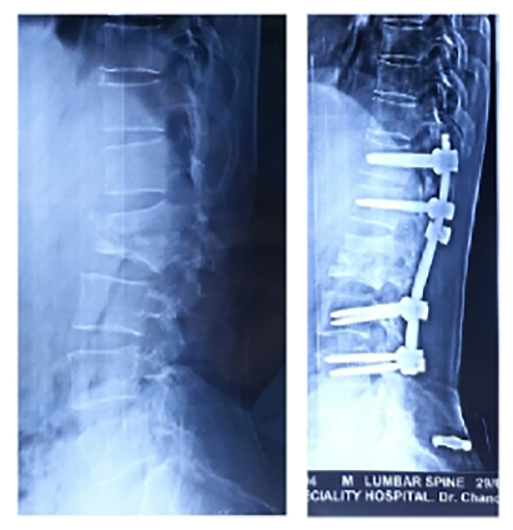
The type of surgery depends on the problem. A herniated disc or a narrowed spinal canal may need the pressure on the nerves released. A fracture or an unstable segment may need to be stabilised with screws and rods. The aim in every case is to relieve pain, protect the nerves and help the patient return to daily activities.
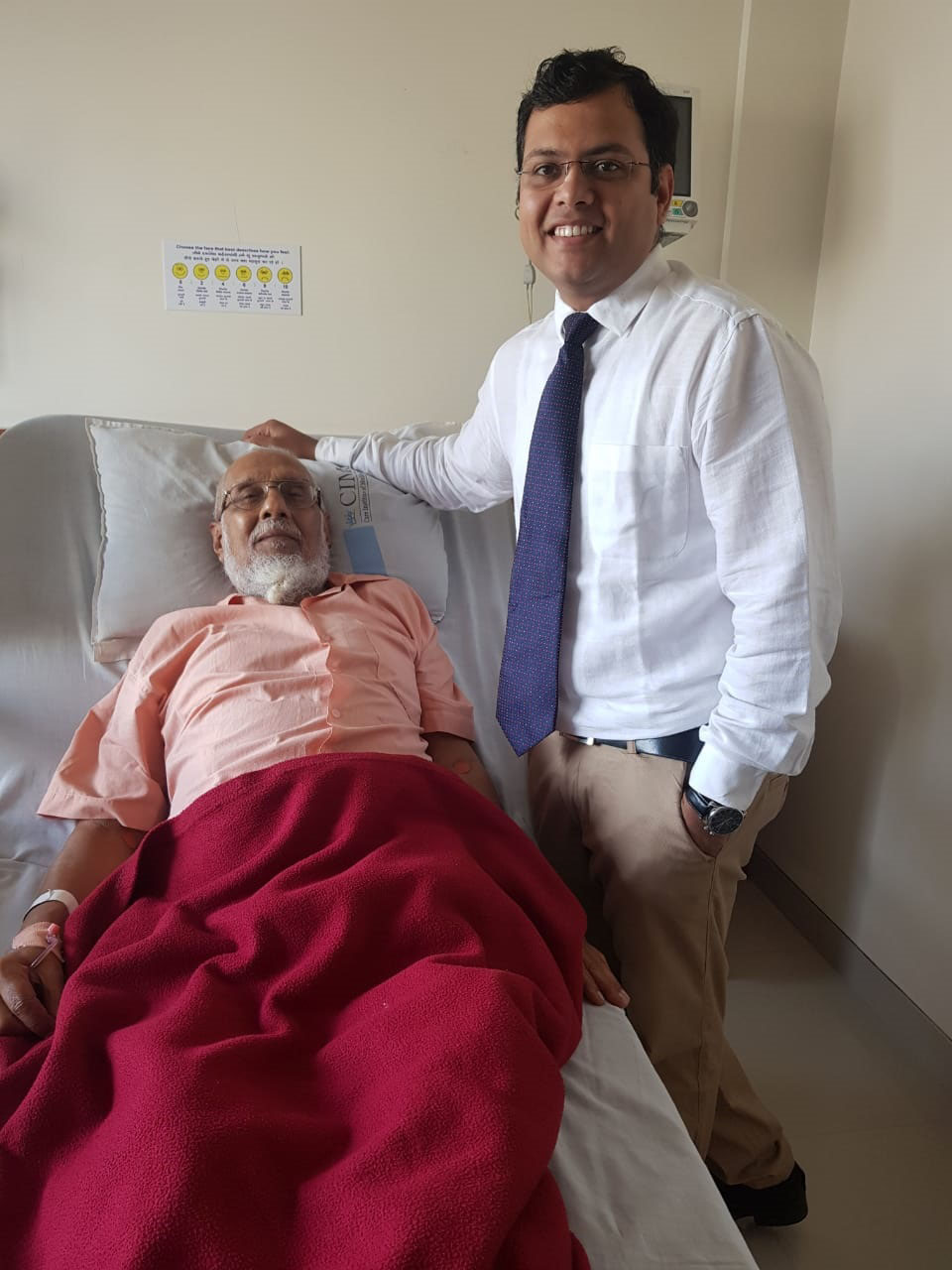
After surgery, patients are guided by the surgical and physiotherapy team, who explain how to move safely and when to increase activity.
Every patient and every operation is different. Here is what the road back usually looks like, and your surgeon will guide you on the exact plan.
Under the guidance of the physiotherapist, most patients are helped to sit up and walk early, as their condition allows. You also learn safe ways to turn, bend and get out of bed.
You are advised on activities to avoid, how to sit and lift, and whether a brace is needed, while the spine begins to heal.
Guided exercises gradually strengthen the back and core muscles and improve walking and balance.
Follow-up visits and X-rays check healing. Most patients return to their daily routine step by step, as advised by the surgeon.
No. Many back and neck problems settle with medicines, physiotherapy and rest. Surgery is advised only when it is likely to help, for example when nerve pressure is causing weakness or the spine is unstable after an injury.
Numbness, weakness in the legs or arms, or trouble controlling the bladder or bowel need prompt medical attention. Bring your reports, X-rays and MRI to the OPD so the right treatment can be planned.
A patient shares his spine surgery journey in his own words. Tap play to watch.
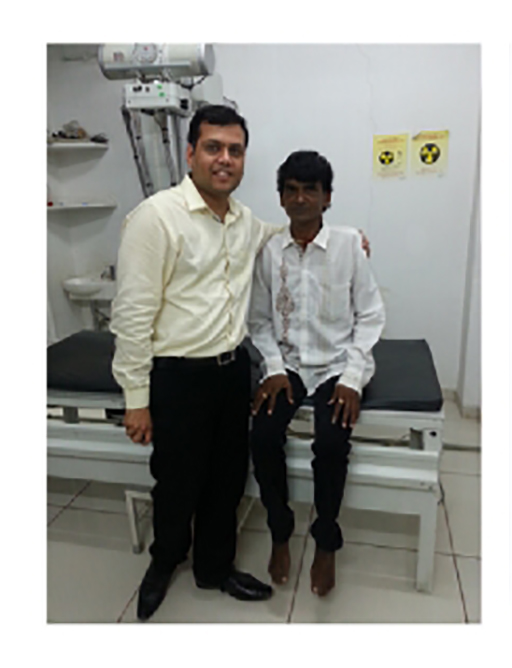
Before and after results of spine cases treated at Lifeline Hospital. Tap any photo to view it full size.
Bring your reports, X-rays and MRI to the OPD at Lifeline Hospital, Ahmedabad. Monday to Saturday, 10 AM to 1 PM and 6 PM to 8 PM.